Cheap reliable rubbish removal for Wallington businesses and shops
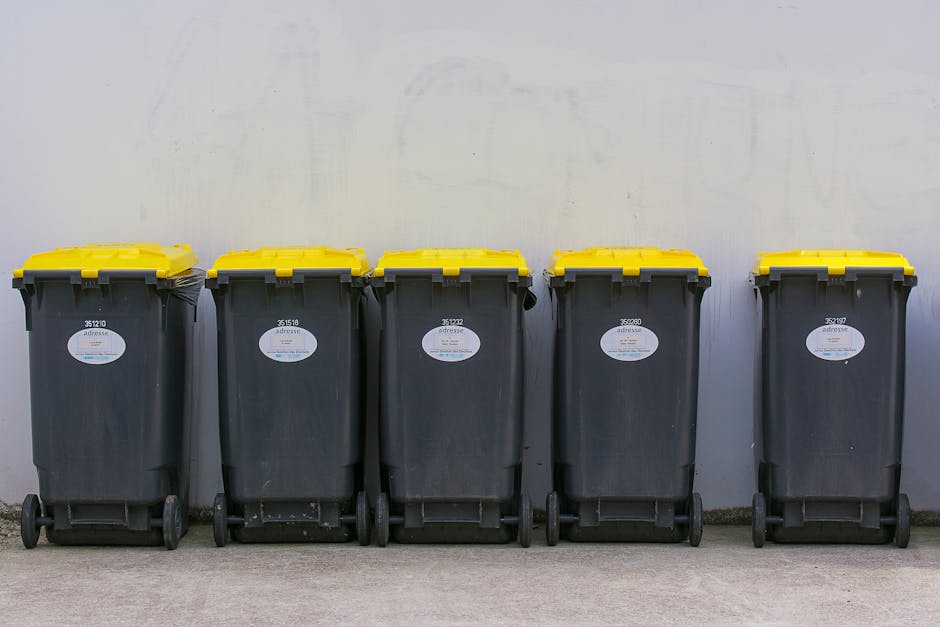
If you run a shop, cafe, salon, office, or small trade business in Wallington, rubbish builds up faster than you'd think. One day it's a few flattened boxes and a broken shelf, the next it's a back room you can barely walk through. That's where cheap reliable rubbish removal for Wallington businesses and shops really matters: you want waste gone quickly, handled properly, and priced sensibly, without turning a simple clearance into a headache.
In practice, the best service is not just the cheapest quote on paper. It's the one that shows up on time, clears the right materials, keeps disruption low, and leaves you with a clean space ready for customers or staff. This guide explains how it all works, what to look for, where hidden costs creep in, and how to choose a service that is both affordable and dependable. A bit dull on the surface, maybe. Very useful in real life, definitely.
Why Cheap reliable rubbish removal for Wallington businesses and shops Matters
For a business, waste is never just waste. It affects how your shop looks, how safely people move around, how quickly deliveries can be unpacked, and how professional your space feels the moment a customer walks in. In a small retail unit, a pile of cardboard can start to feel like clutter in minutes. In a cafe or takeaway, packaging, broken fixtures, and old stock can crowd storage space before the week is out.
Cheap and reliable rubbish removal matters because you usually need both outcomes at the same time. If you only chase the lowest cost, you may end up with missed collections, poor communication, or a team that is not set up for commercial waste. If you only chase speed, you may overpay for something that could have been planned more efficiently. The sweet spot is the service that keeps things moving without making your overheads creep up.
Wallington businesses also tend to work in tight spaces. Shops often have limited rear access, shared loading areas, or awkward timings around customers and neighbours. That means waste removal needs to be practical, not theoretical. You need someone who understands that a quick pickup at the wrong hour is still a problem if it blocks your doorway or upsets the whole day. To be fair, that's where many businesses get frustrated: the waste is easy to see, but the disruption is harder to price.
There is another reason this matters. Waste left too long can become a safety issue. Trip hazards, blocked exits, pest attraction, or damaged stock all create avoidable risk. And if you store mixed waste carelessly, sorting it later is usually more expensive. A good clearance plan keeps the site tidy as you go, which sounds simple, but saves time every week.
How Cheap reliable rubbish removal for Wallington businesses and shops Works
Most commercial rubbish removal jobs follow a straightforward pattern, though the details vary depending on what you are throwing away and how much there is. Usually it starts with an enquiry or booking, followed by a rough description of the waste. If the provider understands commercial collections properly, they'll ask the right questions: what kind of materials, how much volume, whether there are heavy items, and whether access is easy or awkward.
For businesses, that first conversation matters more than it does for a one-off domestic clearance. The difference between a tidy office refresh and a shop refit can be huge. Old display units, back-office paper, damaged shelving, packaging, broken appliances, and general junk all behave differently when it comes to loading, sorting, and disposal.
A reliable provider should then confirm the collection method, price structure, timing, and any special handling needs. Some jobs are priced by load size, others by item type, access, or labour time. There is nothing mysterious about it. In a good setup, you know what is included before anyone turns up with a vehicle. That transparency is the real value, not just the number on the quote.
On collection day, the team should arrive with the right vehicle, handle loading, and remove the waste with minimum interruption. For shops, that may mean working before opening hours or during a quieter period. For offices, it may mean clearing out a back room, filing cabinets, or broken furniture without disturbing staff. For some businesses, especially those dealing with old records, a service such as confidential shredding can sit alongside the waste pickup so sensitive paperwork is handled properly too.
After collection, the waste should be sorted for reuse, recycling, or disposal where possible. A lot of businesses like the simple truth here: the cleaner the process, the easier it is to keep their own operation clean. A collection should feel like a reset, not just a removal.
Key Benefits and Practical Advantages
The most obvious benefit is space. Once waste is out, you can see the room again. That matters whether you are stacking stock, making room for customers, or simply trying to stop staff stepping around boxes all day. Space is not glamorous, but it's one of the most valuable things a small business has.
Another major benefit is speed. With the right rubbish removal service, you do not need to rent a skip, wait for a permit decision, or spend staff time loading waste into a container that sits outside for days. In many cases, a direct collection is simpler and less disruptive than skip hire, especially where access is tight or waste is mixed.
There is also a cost-control angle. Cheap does not mean corner-cutting. It means paying for only what you need. If your shop has a few bulky items, a moderate amount of mixed rubbish, or a one-off backlog after a refit, you may not need a long-term arrangement at all. A single removal can be far more sensible. And if you are comparing the way waste will be handled, it may help to look at the provider's broader approach to recycling and sustainability, because responsible sorting can reduce avoidable disposal waste.
Practical advantages usually include:
- less clutter in customer-facing areas
- better staff safety and easier movement
- faster turnaround after deliveries, refurbishments, or stock changes
- fewer internal distractions for your team
- more predictable waste costs
- less stress when rubbish starts piling up unexpectedly
Let's face it, nobody opens a business because they love dealing with old cardboard, broken chairs, or unwanted fixtures. A good clearance service gives you back headspace as well as floor space.
Who This Is For and When It Makes Sense
This type of service is useful for a wide range of Wallington businesses and shops. It is especially helpful for smaller premises where the team is already busy and there is no spare time to manage repeated waste trips. Retailers, cafes, beauty salons, barbers, offices, estate agents, small workshops, and managed commercial spaces all tend to benefit from occasional, well-timed rubbish removal.
It also makes sense when waste is irregular. Maybe you have just had a delivery issue and now have a mountain of packaging. Maybe you've replaced displays or office furniture. Maybe a stock room has become a holding bay for things that should have gone months ago. These are the moments when a quick, reliable collection is worth more than trying to make do.
A few examples are pretty common:
- Shops: packaging, display units, broken shelving, old stock, end-of-line items
- Offices: paperwork, office chairs, desks, filing cabinets, general clutter
- Food businesses: worn fixtures, packaging waste, some appliance removal, back-of-house clear outs
- Salons and clinics: old furniture, mixed junk, outdated equipment, confidential materials
- Trades and refits: mixed rubble, timber offcuts, fixtures, site waste, and leftover materials
Sometimes the issue is not that there is a huge amount of rubbish. It's that the rubbish is in the wrong place. One cramped stockroom can slow down the whole operation. One broken freezer or old sofa in the back can make a business look untidy even if the customer area is immaculate. Funny how that happens, really.
Step-by-Step Guidance
If you want the process to be cheap, reliable, and low-stress, a bit of planning goes a long way. You do not need a huge operations manual. You just need a clear sequence.
- Identify what needs removing. Separate general waste from bulky items, recyclable materials, confidential documents, and anything special like appliances or potentially hazardous waste.
- Estimate the amount. A rough visual estimate is often enough at first. Think in terms of bags, boxes, shelves, furniture items, or the number of loading trips needed.
- Check access. Note stairs, narrow entrances, loading restrictions, parking limits, and whether the collection needs to happen outside opening hours.
- Ask for a clear quote. Make sure the price covers labour, loading, and disposal expectations. If something is excluded, get that spelled out before booking.
- Choose the right timing. Early morning, late evening, or a quieter trading period can reduce interruption. For some shops, a 20-minute window can make all the difference.
- Prepare the waste. Group items together, keep walkways clear, and separate anything that needs special handling.
- Confirm the collection. Good communication helps avoid surprises. A quick message or call on the day is enough in many cases.
- Review the outcome. After the clearance, check that the space is usable and that any remaining items are clearly identified for another round.
If your business produces regular waste, it can help to separate one-off clearances from ongoing collections. The two are not the same. A one-time shop clear out is very different from weekly commercial waste handling, and treating them as the same often leads to confusion.
For larger clearances, especially where office furniture is involved, you may also want to look at office clearance so the job is matched to the type of items being removed. If the work is more about general commercial waste than a full clear out, business waste removal is the more direct fit.
Expert Tips for Better Results
After dealing with enough shop and business clearances, a few patterns become obvious. The jobs that run smoothly are rarely accidental. They are usually the ones with a little prep and a clear expectation on both sides.
First tip: sort before the team arrives. Even a quick five-minute sort can lower the amount of time spent on site. Put recyclable card together, isolate bulky items, and keep anything sensitive away from general junk. It sounds minor, but it helps.
Second tip: photograph the waste area. A couple of photos can help with quoting and reduce misunderstandings. You do not need to be fancy about it. A phone picture in decent light is usually enough.
Third tip: think about timing around trading. If your shop has customer peaks around lunch or after school, avoid scheduling a collection then if you can. A quieter hour is usually kinder to staff and customers alike.
Fourth tip: ask how mixed waste is handled. Not every item belongs together. Clean cardboard, furniture, electronics, appliances, and general rubbish may each follow different disposal routes. Understanding that up front helps you avoid surprise charges.
Fifth tip: be honest about awkward items. If there is a fridge, sofa, filing cabinet, or broken fixture involved, say so early. It saves the awkward "oh, and also..." moment when the team arrives. Nobody enjoys that moment.
Sixth tip: keep an eye on recurring waste. If the same type of rubbish keeps appearing every month, there may be a better internal process. Storage, unpacking, stock rotation, or supplier packaging can usually be improved a little.
One practical reassurance: you do not need perfection. A tidy, workable system is enough. The goal is to keep your business moving, not to create a showroom-level waste plan.
Common Mistakes to Avoid
The first mistake is choosing only on headline price. A quote can look great until you realise it excludes loading, access issues, specific items, or disposal of heavier materials. Cheap is only cheap if it stays cheap at the end.
The second mistake is mixing too many different waste types without checking first. General rubbish, electrical items, confidential papers, and certain appliances may need different handling. If you dump everything into one category, the price and process can become messy very quickly.
The third mistake is waiting too long. This happens more often than people admit. A bit of rubbish becomes a stack, the stack becomes a barrier, and suddenly staff are stepping sideways through a narrow gap to reach the storeroom. It's a tiny nuisance at first, then it snowballs.
The fourth mistake is poor access planning. If a collection team cannot park nearby or cannot get through the right entrance, the job may take longer or cost more. For shops especially, access planning is not a small detail. It is the job.
The fifth mistake is not checking whether the provider is suitable for commercial work. Domestic and business waste are not interchangeable. A provider that handles one well may not be the best choice for the other.
The sixth mistake is forgetting the clean-up afterward. If the removal leaves dust, strapping, broken bits, or packaging scraps behind, the area is only half reset. Reliable removal should finish cleanly, not just empty the obvious stuff.
Tools, Resources and Recommendations
You do not need special software to manage a rubbish removal job, but a few simple tools can make the process far easier. A phone camera, a basic inventory list, and a rough floorplan of the space can be enough for many small businesses. If you run a shop with multiple storage areas, it helps to mark where waste is piling up so nothing gets missed during the collection.
For business owners who want a cleaner process, the following resources on the same website are especially useful:
- pricing and quotes for understanding how jobs are normally assessed
- payment and security for reassurance around the checkout process
- insurance and safety when you want to know how risk is handled
- health and safety policy for a clearer view of site safety expectations
- what can go in a skip if you are comparing waste types and removal options
If the waste includes awkward household-style items from a mixed business premises, you might also look at furniture disposal or furniture clearance depending on whether you are removing just a few pieces or a larger set. For appliance-heavy jobs, fridge and appliance removal is the more relevant route.
One small but helpful recommendation: keep a running note of the items your business throws away most often. After a couple of months, you may notice a pattern that lets you reduce waste at the source. That's the kind of boring admin that quietly saves money.
Law, Compliance, Standards, or Best Practice
Commercial waste needs a bit more care than casual household waste. The exact obligations depend on the type of waste and how it is handled, but the general principle is simple: businesses should use proper, traceable disposal routes and avoid passing waste to anyone who cannot handle it correctly. That is sensible practice, and in many cases essential.
If your waste includes confidential information, do not treat it like ordinary office clutter. Use a proper shredding or destruction process. If it includes appliances, some items may need specialised handling. If it includes hazardous materials, they should be separated and dealt with cautiously. It is better to pause and ask than to guess. Really better.
For employers, safety matters too. Clear pathways, safe lifting, sensible stacking, and careful loading all reduce the chance of injury. In a busy shop, this can be as simple as moving stock trolleys out of the way for the collection window. In an office, it may mean keeping staff away from the lift route while furniture is removed.
A trustworthy provider should be able to explain their general approach to compliance, safe handling, and responsible disposal. If you want a broader sense of their working standards, the site's about us page can help you understand the company's background, while the complaints procedure gives a useful signal that customer issues are taken seriously. That is not flashy, but it matters.
Best practice usually means this: be honest about what you have, separate special items early, use a provider that understands commercial work, and keep a paper trail where needed. Simple, yes. But simple is often what works.
Options, Methods, or Comparison Table
Businesses in Wallington usually end up comparing a few approaches. The right one depends on how much waste you have, how often it appears, and whether access is straightforward.
| Method | Best for | Pros | Watch-outs |
|---|---|---|---|
| One-off rubbish removal | Seasonal clear-outs, refurbishments, sudden backlogs | Fast, flexible, usually minimal disruption | Needs clear item list and access details |
| Regular business waste collection | Ongoing waste from shops, offices, or hospitality | Predictable, routine, easier planning | Less suited to bulky one-time items |
| Skip hire | Jobs with space for a skip and time to fill it | Useful for some building or bulk waste | Space, permits, loading effort, and timing can be awkward |
| Specialist item removal | Appliances, furniture, heavy or awkward objects | Safer handling, more suitable disposal route | May cost more than general waste |
For many Wallington shops, the easiest option is often a direct removal service rather than trying to manage a container outside the premises. If the waste is mostly bulky items, the team can clear it in one visit and take the pressure off your staff. If it's mainly commercial waste produced every week, then ongoing collection makes more sense. Horses for courses, as they say.
If you are in the middle of a refit or light building work, builders waste clearance may be a better fit than general rubbish removal because the material mix is different. That includes offcuts, packaging, and debris that often needs a slightly more structured approach.
Case Study or Real-World Example
Imagine a small retail shop in Wallington after a product refresh. New shelving arrives in the morning. Old display units need to go. There are cardboard cartons everywhere, bubble wrap under the counter, and a broken chair that has been leaning by the stockroom door for weeks. The shop still has customers coming through, so the owner cannot just close for a day and deal with it slowly.
In that situation, the most practical solution is usually a timed collection outside the busiest period. The team arrives with a clear brief, removes the bulky items first, then clears the mixed waste and packaging. The space is returned to normal quickly, and staff are not spending half the afternoon dragging items to the pavement. That's the sort of job where a reliable service earns its keep.
Now compare that with an office above a shop, where there are old desks, a couple of filing cabinets, and confidential paperwork. The process changes slightly. The papers need separate handling, the furniture needs careful lifting, and the route down the stairs needs to stay clear. The job is still straightforward, but only if it's planned properly. Without that planning, it becomes slow and annoying, and nobody needs more of that.
In real life, that's what "cheap and reliable" looks like: not the fanciest thing in the world, just a service that arrives ready, works efficiently, and leaves the premises better than it found them.
Practical Checklist
Use this before booking a collection:
- List the main waste types you need removed
- Separate confidential, electrical, bulky, and general waste
- Estimate roughly how much there is
- Check access, parking, stairs, and loading points
- Decide whether collection needs to happen outside business hours
- Ask what is included in the price
- Confirm whether heavier or specialist items change the quote
- Make sure the area is safe and walkways are clear
- Set aside anything that must not be taken
- Keep a note of any items that may need a separate service later
If you work through that list, the odds of a smooth collection go up a lot. Not dramatically glamorous, I know. But very effective.
Conclusion
Cheap reliable rubbish removal for Wallington businesses and shops is really about balance. You want a service that is affordable without being flimsy, fast without being chaotic, and professional without adding more admin to your day. For busy commercial premises, that balance can make the difference between a cluttered space and a smooth-running one.
The best approach is usually to plan the job clearly, describe the waste accurately, choose a provider that understands business collections, and keep an eye on safety and disposal needs. Once you do that, rubbish removal stops being a weekly nuisance and becomes one of those tasks that just quietly gets sorted. Which, honestly, is the best kind.
Get a free quote today and see how much you can save.
Frequently Asked Questions
What counts as rubbish removal for a shop or business?
It usually covers the removal of general waste, bulky items, packaging, old furniture, stockroom clutter, and other unwanted materials from commercial premises. The exact scope depends on the job, so it is worth describing your waste clearly before booking.
Is cheap rubbish removal still reliable?
Yes, if the provider gives clear pricing, turns up on time, and explains what is included. Cheap becomes a problem only when the quote is incomplete or the service is poorly organised. A sensible, well-run service can be affordable and dependable at the same time.
How do I know whether I need business waste removal or a one-off clearance?
If waste builds up regularly, ongoing business waste removal usually makes more sense. If you are clearing out a back room, refitting a shop, or getting rid of bulky items after a project, a one-off clearance is likely the better fit.
Can I mix office furniture with general rubbish?
Sometimes yes, but it depends on the provider and the items involved. Heavy furniture, confidential materials, or electrical items may need separate handling. It is always safer to mention the mix in advance so the quote and collection plan are accurate.
What if I have confidential papers to dispose of?
Those should not be left in general waste. Use a service designed for confidential shredding so sensitive documents are destroyed properly. That helps reduce risk and keeps you on the safer side of best practice.
How do I keep the cost down without cutting corners?
Sort waste before collection, be precise about what needs removing, provide good access details, and avoid mixing unnecessary items into the load. Clear information usually means a cleaner price and fewer delays on the day.
Do I need to prepare the waste before the team arrives?
A little preparation helps a lot. Group similar items together, clear walkways, and separate anything sensitive or special. You do not need to stage it like a film set, just make it easy to load safely.
Are appliances and fridges handled differently?
Often yes. Fridges and some appliances may need specialist handling because of their size, materials, or disposal requirements. If you have one on site, mention it early so the removal is planned correctly.
What if my premises have awkward access?
Say so from the start. Narrow entrances, stairs, limited parking, or shared loading areas can affect time and price. A reliable team will use that information to plan properly instead of winging it on arrival.
Can rubbish removal be done outside trading hours?
In many cases, yes. Early morning or quieter periods are often best for shops and customer-facing businesses. That reduces disruption and can make the whole process feel much easier.
Is skip hire better than rubbish removal for businesses?
Not always. Skip hire can work well for some jobs, but it needs space and sometimes permits, and your staff still have to load it. For many businesses, direct rubbish removal is quicker and less disruptive.
What should I ask before I book a collection?
Ask what is included in the quote, how access affects pricing, whether specialist items cost more, and how the waste will be handled after collection. A few good questions at the start save a lot of hassle later.